
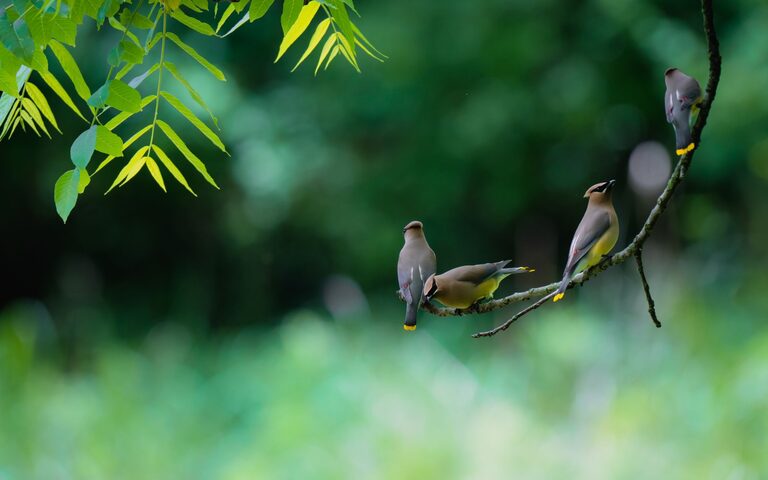
Birdwatching is a rewarding hobby that allows you to connect with nature without leaving your home. Whether you have a large garden or a small balcony, observing birds in your backyard can be both relaxing and educational. If you’re just getting started, this guide will provide beginner tips to help you attract birds, identify common species, and enhance your birdwatching experience.
Why Backyard Birdwatching?
Birdwatching offers a chance to appreciate the natural world around us. It encourages patience, sharpens observation skills, and can even reduce stress. Unlike trips to distant parks or reserves, backyard birdwatching is convenient — you can enjoy it anytime. Plus, watching birds can provide valuable insights into local wildlife and environmental health.
Getting Started: Basic Equipment You’ll Need
You don’t need a lot of fancy gear to begin birdwatching, but a few simple items can enhance your experience:
– Binoculars: A good pair of binoculars helps you see birds up close without disturbing them. Look for models labeled 8×42 or 10×42 for a clear, bright view.
– Field Guide or App: A bird identification book or smartphone app helps you recognize different species.
– Notebook or Journal: Recording sightings and notes can track your progress and help you remember favorite species.
– Comfortable Seating: A chair or bench near your bird feeders or garden allows you to watch comfortably.
Even a beginner’s setup can be simple and affordable.
Attracting Birds to Your Backyard
Birds visit areas where they can find food, water, and shelter. Here’s how you can make your yard bird-friendly:
1. Provide Food
– Bird Feeders: Start with one or two feeders to avoid overwhelming yourself. Common types include hopper feeders, tube feeders, and platform feeders.
– Seeds and Food Types:
– Black-oil sunflower seeds attract many species.
– Nyjer (thistle) seeds are great for finches.
– Suet cakes provide energy for woodpeckers and nuthatches.
– Avoid Bread or Processed Foods, as they are unhealthy for birds.
2. Offer Fresh Water
Birds need water for drinking and bathing. Install a birdbath or shallow dish and keep it clean. In winter, consider heated birdbaths to prevent water from freezing.
3. Create Shelter and Nesting Spots
– Native Plants: Shrubs, trees, and flowers native to your area provide cover and food sources like berries and insects.
– Nest Boxes: Provide safe places for birds to raise their young, especially cavity nesters like chickadees and bluebirds.
– Avoid Pesticides: Chemicals can harm birds and reduce the insects they feed on.
Learning to Identify Backyard Birds
Identification is a core part of birdwatching. Start by focusing on common backyard species in your region. Here are steps to help you identify birds:
Key Features to Observe
– Size and Shape: Is it small like a sparrow or larger like a crow?
– Color and Patterns: Notice the colors of the feathers, wing bars, or spots.
– Beak Shape: Different beaks indicate different diets.
– Behavior: How does it move? Does it hop, climb, or fly quickly?
– Song and Calls: Listen to the sounds — many birds have distinctive calls.
Use Resources
– Field Guides: Books with pictures and descriptions.
– Mobile Apps: Apps like Merlin Bird ID or Audubon Bird Guide can help identify birds through photos or sounds.
– Local Birding Groups: Joining clubs or online forums can provide support and information.
Tips for Successful Birdwatching
– Be Patient and Quiet: Sudden movements or loud noises scare birds away.
– Watch During Peak Times: Early morning and late afternoon are often the best viewing times.
– Keep a Safe Distance: Use binoculars to avoid disturbing birds.
– Maintain Feeders and Baths: Regularly clean feeders to prevent disease.
– Record Your Observations: Note the date, species, and behavior.
Common Birds to Spot in Your Backyard
Depending on your location, some common backyard birds you might see include:
– American Robin
– Northern Cardinal
– Blue Jay
– Black-capped Chickadee
– House Sparrow
– Mourning Dove
– Downy Woodpecker
– Goldfinch
Try to learn a few species at a time, gradually expanding your knowledge.
Benefits Beyond Watching
Backyard birdwatching encourages environmental stewardship. By creating a bird-friendly habitat, you support local ecosystems and contribute to conservation efforts. Additionally, sharing your sightings with citizen science projects can help track bird populations.
Final Thoughts
Starting backyard birdwatching is easy and enjoyable with a little preparation. Providing food, water, and shelter attracts birds, while patience and observation deepen your understanding of these fascinating creatures. Whether you watch for a few minutes daily or spend hours on weekends, birdwatching offers a peaceful way to connect with nature in your own backyard.
Happy birdwatching!